Smarter Data. Safer Roads.
Cross-check crash records across every available source.
Organize your incident records to more easily verify the facts across multiple systems. We use emergency dispatch notes and surveillance video to verify all crash report information, and add additional context that is useful for planners and engineers but not proper to include in the official crash report.
Starts with Emergency Dispatch
Every traffic incident record starts with dispatch. Our system begins at the source — collecting dispatch records to build a complete picture of what happened on the road.
Finds Under- or Unreported Incidents
Crashes involving people outside of motor vehicles often go under- or un-reported. The system cross-checks every available source to reveal hidden vulnerable road user incidents that other systems miss.
Improves Data Accuracy
Crash reports don't always tell the full story. By verifying facts across multiple independent sources — dispatch notes, 911 audio and surveillance — professionals can plan with confidence using complete and defensible data.
Connects Crashes to Enforcement Data
Link together crash and citation data to gain clarity about enforcement patterns and deterrence effectiveness. Understand whether citations are being issued where crashes are occurring — and measure outcomes over time.
Integrates with Existing Systems
Connect with public data portals or other case management systems for automatic, fast import and records connection. Reduce manual data entry and keep your records current across platforms.
Support for Crash Victims
Accurate records protect people. When incidents go undocumented or misclassified, victims face unnecessary challenges with insurance claims, medical reimbursement, employment leave, and legal proceedings.
See it in action
Misreported Crash, Corrected
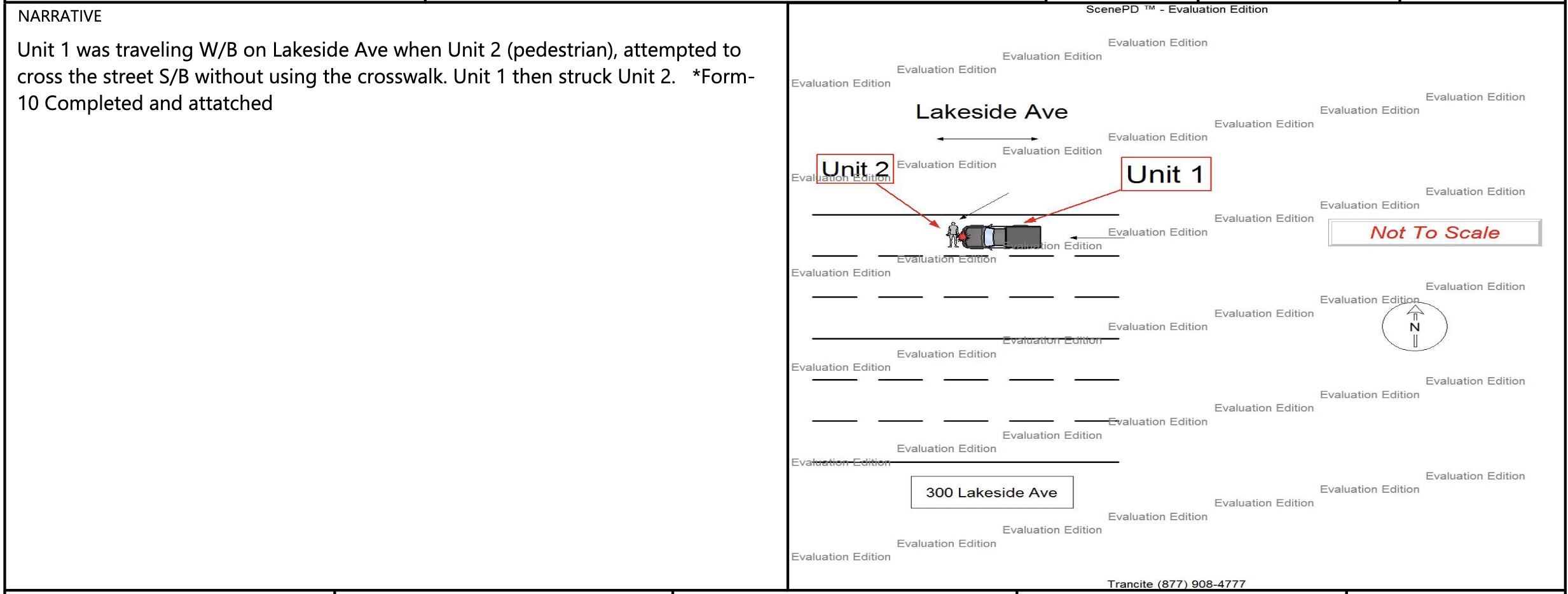
Unreported Crash, Detected
See How It Works
Watch a short walkthrough to see how cross-checked crash intelligence improves safety analysis, funding applications, and accountability.
Put your data to work
Annual Crash Reports
Generate comprehensive annual crash reports backed by verified, cross-checked data. Present complete incident counts that include previously under- or un-reported crashes.
Strengthen Infrastructure Funding Applications
Build a clear, data-driven case for infrastructure investment. Demonstrate the full scope of traffic incidents in your jurisdiction with evidence that strengthens grant applications and funding awards.
Ensure Accountability
Maintaining accurate and complete crash records is essential for public agencies. Proper documentation demonstrates due diligence and supports defensible decision-making.
Testimonials
"We discovered pedestrian incidents that never made it into our official crash database. That completely changed how we prioritized corridor improvements."— Transportation Safety Manager, Mid-Sized City
"Having dispatch, crash, and citation data aligned in one place gave us confidence presenting to infrastructure funders. The data was defensible and complete."— Regional Planning Director
Talk With a Data Specialist
See how verified crash intelligence can improve safety planning, funding competitiveness, and public accountability in your jurisdiction.